Johannesburg and Accra have just made another international nightlife list. Good for them. But if you live in Nairobi, you might be wondering: where exactly does our city fit into this conversation?
A recent Business Insider Africa article highlighted Johannesburg and Accra after they were named among the world’s 20 best nightlife destinations for 2026 by Time Out. It is a deserved celebration of two African cities that have built internationally recognised nightlife cultures.
But there is one problem with these global nightlife lists.
They can sometimes tell us a lot about how a city looks to a visitor and not enough about how the city actually feels to the people who live there.
And Nairobi is a perfect example.
Because Nairobi nightlife is not one thing.
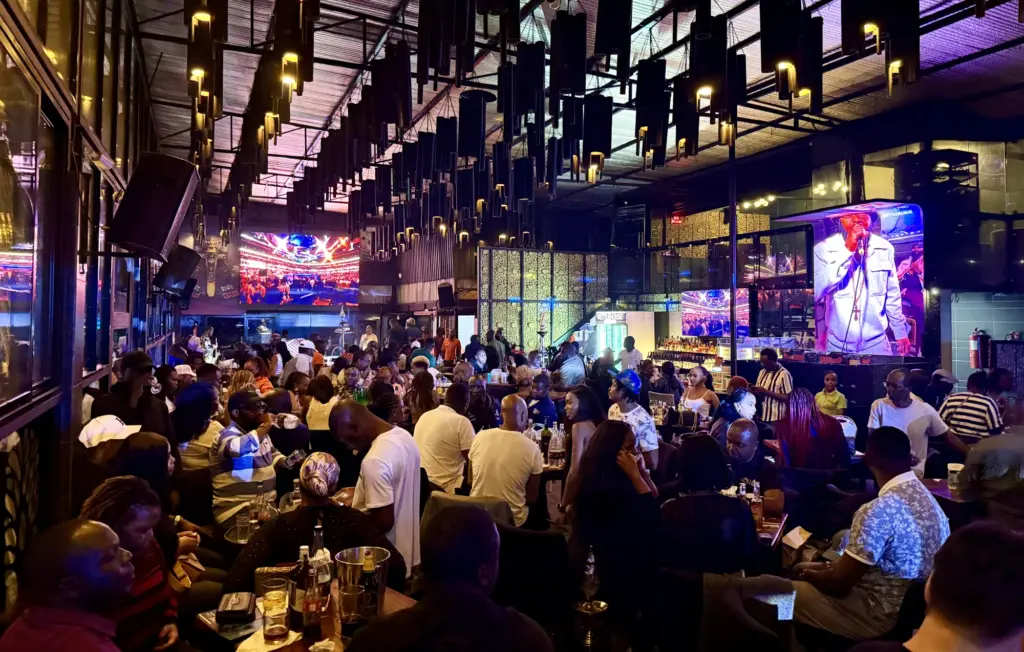
It is not simply a list of expensive clubs, rooftop cocktails and glamorous Instagram photographs. It is Friday traffic from town to Westlands. It is someone asking, “Tuko wapi leo?” in a WhatsApp group at 9pm. It is the debate over whether to start in Kilimani and finish in Westlands. It is live music, nyama choma, DJs, football, Amapiano, Gengetone, Afrobeats, cocktails, old-school nights and the inevitable “one last drink” that somehow becomes 3am.
Nairobi’s nightlife is messy, fragmented, expensive in places, affordable in others and very, very alive.
So while the international rankings are worth celebrating, here are five Nairobi nightlife spots that tell a more local story.
1. The Alchemist
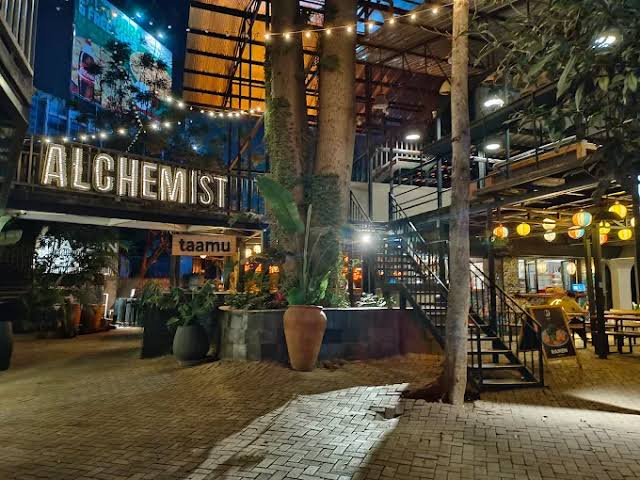
If you wanted to explain modern Nairobi nightlife to someone who had never experienced it, The Alchemist would be one of the easiest places to start.
The Westlands venue has managed to become more than just a bar. It combines an open-air environment, DJs, live entertainment and food vendors, creating the kind of place where your evening doesn’t have to follow a strict script.
You can arrive for food.
You can arrive for music.
You can arrive because your friends are already there.
And you can end up staying far longer than planned.
2. K1 Klub House
Every city has those places that somehow survive generations of nightlife trends.
In Nairobi, K1 Klub House is one of them.
K1 is not interesting because it is the newest or most fashionable place in town. It is interesting because it has history.
The Parklands institution has spent decades becoming part of Nairobi’s entertainment culture, continuously reinventing its programming while maintaining its identity as a place to eat, drink, listen to music and party.
That longevity matters.
Nightlife is notoriously unforgiving. Venues come and go. A club can be the hottest place in Nairobi one year and completely irrelevant the next.
3. The Bar Next Door
Then there is the Nairobi that wants the night to look good.
The Bar Next Door in Kileleshwa represents a different side of the city – polished, social and very conscious of atmosphere.
It is the kind of place where the night can begin with food and conversation before gradually turning into a proper party.
Its themed weekly programme also shows something important about Nairobi’s nightlife: people don’t necessarily want the same experience every night.
Monday can have one identity.
Tuesday another.
Friday can become a completely different animal.
That is part of what makes the Nairobi scene interesting. The venue isn’t simply selling a room with loud music. It is selling a reason to come out on a particular night.
4. MILAN
Not every night needs a cultural experience.
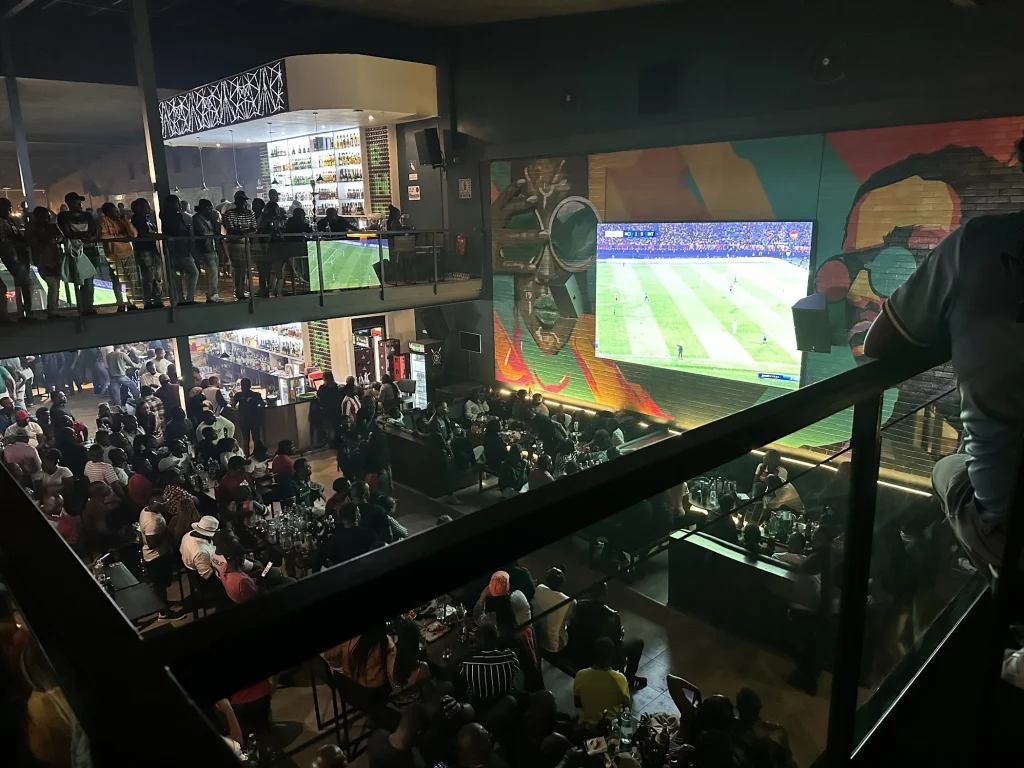
Sometimes you simply want loud music, a packed room, drinks and somewhere to dance until very late.
That is where venues such as MILAN come into the conversation.
The lounge and club side of Nairobi nightlife is often overlooked when international publications talk about the city’s creative scene.
But ask the average Nairobi party-goer what makes a good Saturday night and you will quickly discover that the answer isn’t always “live music and craft cocktails.”
Sometimes it is simply:
“DJ alikuwa ooonn.”
5. Club Gemini
Club Gemini represents another important part of Nairobi’s nightlife story: the established mainstream club.
It is the sort of venue that reminds us that Nairobi’s nightlife culture existed long before the city became obsessed with rooftop bars, lifestyle content and Instagram-friendly venues.
There is something very Kenyan about the traditional club night.
You dress up.
You meet your friends.
You find a table.
The music gets progressively louder.
Someone knows the DJ.
That may not sound as glamorous as the descriptions used in international nightlife rankings.
But it is real.
And nightlife rankings should ultimately be about real people having a good time.
So, Is Nairobi One of the World’s Great Nightlife Cities?
Maybe the international rankings need to catch up.
The Business Insider article is right to celebrate Johannesburg and Accra. African nightlife deserves more recognition, and cities such as those two have earned their place in the global conversation.
But Nairobi should not have to imitate Johannesburg, Accra, Lagos or Cape Town to prove that it has a nightlife culture of its own.
Nairobi has something different.
It has neighbourhood-based nightlife.
It has a huge young population.
It has DJs and live bands.
It has Kenyan music sitting comfortably alongside Afrobeats, Amapiano, Hip-Hop, R&B and international sounds.
It has old-school institutions that refuse to die.
It has new venues trying to redefine what a night out means.
And perhaps most importantly, it has a nightlife culture that keeps changing with the people living in the city.
The international visitor might see Westlands.
A Nairobi local sees much more.
They see Kilimani.
Kileleshwa.
Parklands.
CBD.
Hurlingham.
Karen.
They know which Thursday is actually worth leaving the house for, which Saturday needs a reservation, which DJ is worth following and which club is suddenly “dead” despite having thousands of Instagram followers.
That is the Nairobi nightlife story that international rankings can miss.
So congratulations to Johannesburg and Accra.
But don’t write Nairobi out.
We are still outside.