
Meta dropped its own-branded smart glasses, recruited Kylie Jenner to make them cool, and honestly? It’s working. The glasses slap. The price is not completely insane. The privacy story, though – that part is complicated.
For the longest time, Mark Zuckerberg was the internet’s favourite alien – a man who seemed to need a firmware update every time he had to interact with actual humans. Stiff. Robotic. Someone who had clearly Googled “how to appear normal” and come back with mixed results.
But something changed in 2024. The haircut. The chain. The MMA training videos. The surfing clips. And now this – standing in front of a wall of slick, fashionable smart glasses, looking genuinely comfortable in his own skin. People are saying it on Twitter and they are not wrong: Zuck finally found himself. And apparently, that version of himself wears glasses and hangs out with Kylie Jenner.
What exactly did Meta just drop?
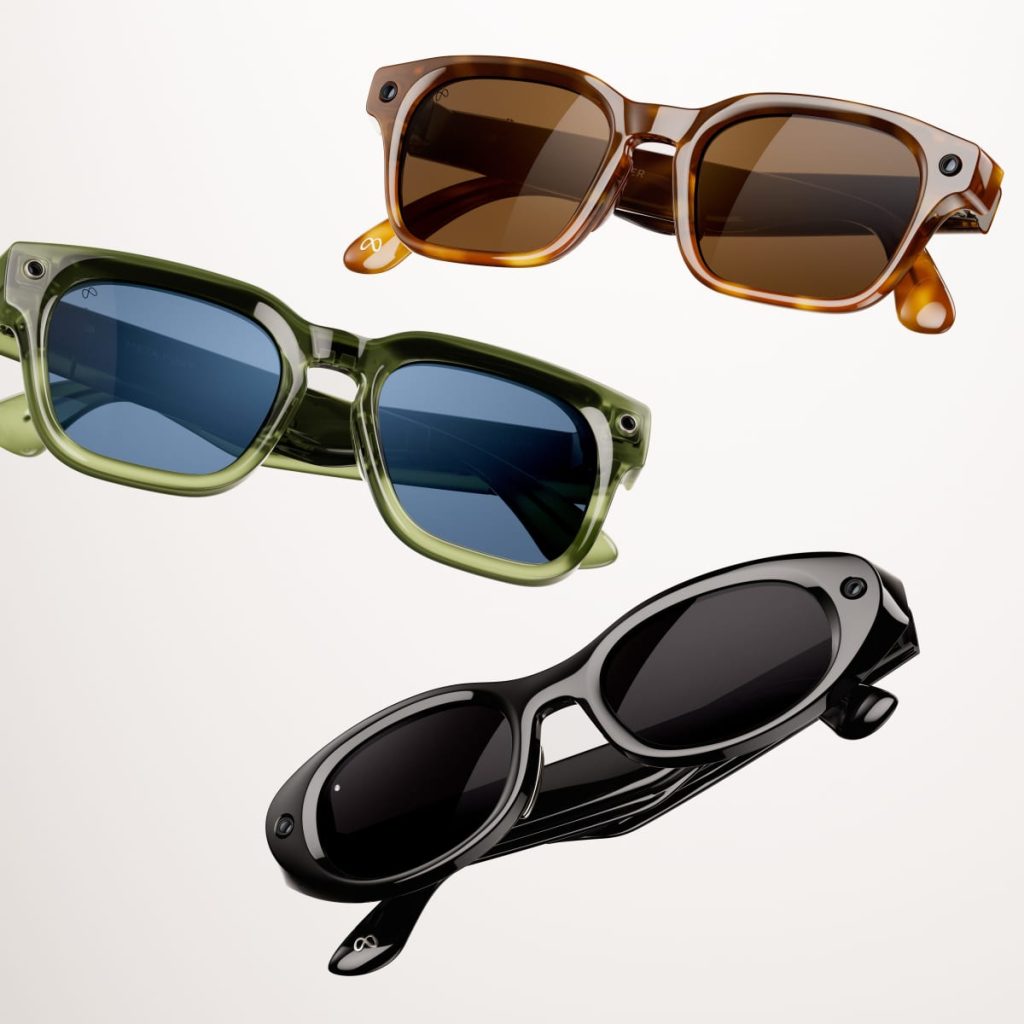
For years, Meta sold smart glasses under the Ray-Ban label – borrowing the brand’s cool factor because nobody was going to buy something called “Facebook Glasses” in 2022. That arrangement worked. Ray-Ban Meta sold over 7 million pairs in 2025 alone. But now Meta has decided it does not need Ray-Ban’s name anymore. It has launched its own branded line – three models, 26 style combinations, and a celebrity co-sign that makes sense for once.
The three models:
Meta Adventurer — classic rectangular frames, everyday versatile design. Think: the glasses you actually wear to work or the gym.
Meta Fury — sportier, wraparound energy. Made for people who are outside a lot.
Meta Glasses by Kylie (a.k.a. Starfire) — slim oval frames designed in collaboration with Kylie Jenner. A tiny gemstone on the right lens. A metal nose bridge that will not absorb your makeup. And — this part is real — Kylie Jenner’s actual voice as your Meta AI assistant.

All three come with the same core hardware: a 12MP camera, open-ear speakers for music and calls, a microphone array, Meta AI on a dedicated action button, live translation in 20 languages (including Mandarin, Arabic, and Hindi), and a “dynamic photos” feature that shoots a burst and automatically picks the best frame. The Adventurer and Fury are on the same hardware platform as the outgoing Ray-Ban Meta Gen 2.
How much do they cost?
For context, the outgoing Ray-Ban Meta starts at $359. Meta is actually undercutting its own premium glasses by $60 on the base models, while the Kylie edition commands a $100 premium for the design collab and the AI voice feature. It is a smart play – lower the barrier, pull in new buyers, and let the celebrity edition carry the margin.
The Kylie angle — and why it makes sense
Celebrity tech collabs are everywhere right now. Cristiano Ronaldo with WHOOP. Kim Kardashian with Beats. Steph Curry with Google’s Fitbit Air. Most of them feel forced – you can smell the cheque from a mile away.
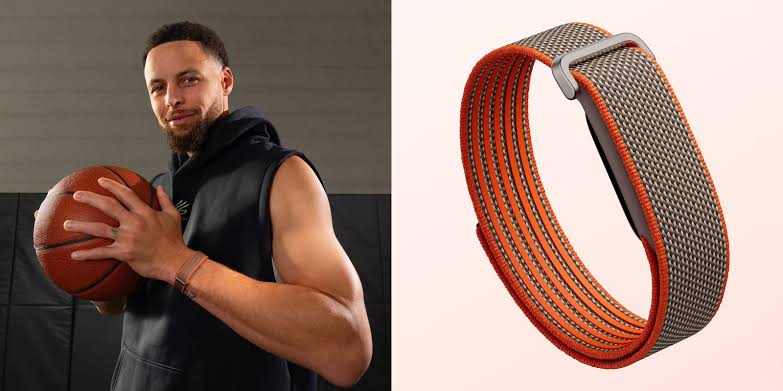
The Kylie one is different, and here is why.
Kylie Jenner’s entire brand is built on aesthetics. She built a billion-dollar business because people trust her taste in makeup, in fashion, in what looks good on your face. Smart glasses live or die on whether people are willing to be seen wearing them. That is not a tech problem. That is a fashion problem. And Kylie’s involvement mirrors the influencer-driven marketing strategy that helped Ray-Ban Meta reach mainstream buyers who might not have considered a Facebook-branded wearable.
The “Rise and Shine” AI greeting, where the glasses can greet you in Kylie’s voice, sounds gimmicky, but it is also exactly the kind of viral detail that gets shared on TikTok fourteen thousand times before Tuesday. Meta knows what it is doing here.
“A launch event in New York City, a wall of frames in every shape and colorway, and an AI assistant that can speak in Kylie Jenner’s voice when you ask it the time. That last part is real, and it costs $100 extra. Welcome to the next phase of Meta’s long, expensive bet on putting a computer on your face.”— Business Model Analyst, June 2026
The privacy elephant in the room
Okay. Here is where it gets uncomfortable. And it is important – especially for Kenyans – to know the full story before spending KES 38,000 on these.
In late 2024, two Harvard students, AnhPhu Nguyen and Caine Ardayfio, modified Meta’s smart glasses to search someone’s face quickly, almost without them knowing, and read information about them scraped from around the web. They called it “I-XRAY.” They walked around Boston identifying random strangers – their names, addresses, where they worked. People’s jaws dropped. The project was never released publicly, but the point was made: these glasses can be weaponised, and most people wearing them look just like anyone else on the street.
Then earlier this year, a Swedish investigation found Meta contractors in Kenya were helping train the AI powering the glasses – and those workers reported seeing everything from living rooms to naked bodies. Users who opted into data sharing for AI training were effectively allowing footage from their daily lives, including intimate moments, to be reviewed by humans. That investigation led to a lawsuit in the US.
Meta then reportedly began developing a facial recognition feature internally codenamed “Name Tag” — which would allow wearers to identify people connected to their Meta accounts, or anyone with a public Instagram account, just by looking at them. The ACLU and 75 organisations wrote an open letter demanding Meta drop the plans entirely. And then in June 2026, following widespread public scrutiny and critical reporting by WIRED, Meta stripped the unactivated facial recognition code from its latest Meta AI app update.
So the facial recognition feature is gone – for now. But the history is not. And the glasses still have cameras that most people around you will not notice.
Would Kenyans actually buy these?
Honestly? Some would. And here is who.
The tech-forward crowd in Nairobi – the people who already have AirPods Max, who follow every Apple and Google keynote, who are on the waitlist for anything new – those people will find a way to get these. Import duty and all. At KES 38,000 to KES 51,000, it is expensive but not impossible for someone who is already spending that kind of money on gadgets.
The fashion angle helps too. The Kylie edition especially – if you are someone who cares about what sits on your face, slim oval frames with a subtle gem detail are genuinely attractive. These do not look like spy glasses or sci-fi props. They look like something you would actually wear.
The harder sell is the privacy concern. Kenyans are not naive about surveillance – there has been real anxiety in recent years about data collection, phone tracking, and what foreign companies do with African user data. The fact that Kenyan workers were reportedly reviewing private footage captured by the glasses’ cameras is a detail that will travel fast on WhatsApp groups. That alone will put a lot of people off.
And then there is the practical question: Meta AI, live translation, and pedestrian navigation are genuinely useful features – in markets where they work well. In Nairobi, where internet connectivity can be patchy and Meta’s AI infrastructure is not optimised for Swahili or local contexts, some of that utility fades. You are paying $299 for glasses that may give you a half-baked AI experience compared to what users in New York or London get.
Uradi News Verdict
The bottom line? The glasses are dope. Zuck has had his glow-up era and it is going well. If you have the budget and you go in eyes open – about the cameras, the data, the privacy trade-offs – these are genuinely one of the most interesting wearables on the market right now.