In today’s world, leadership is no longer just about policy, profits, or power. It is also about branding. The modern political leader or CEO is expected to become a recognizable personality, a symbol, and sometimes even a global product.
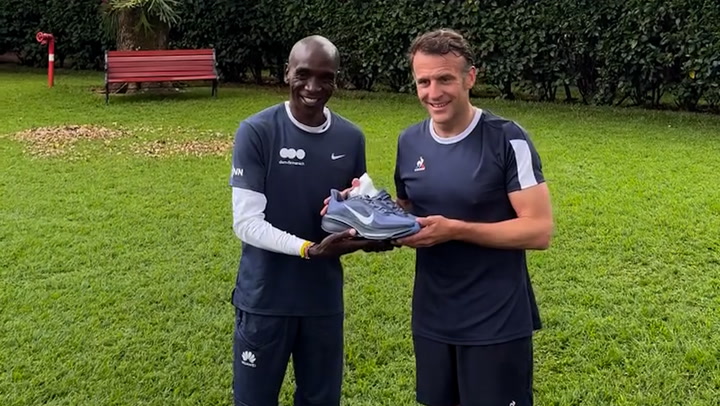
Few leaders understand this better than Emmanuel Macron. From the moment he launched his political movement “En Marche,” Macron carefully positioned himself as a youthful, modern, energetic reformer capable of reshaping France’s image globally. Analysts have repeatedly described Macron as a political brand as much as a politician.
His image, communication style, body language, speeches, and even public symbolism have all played a role in shaping his international identity. One of the most famous examples came during his aggressive handshake moment with Donald Trump in 2017, a move Macron later admitted was intentional to project strength and confidence on the world stage. That moment showed something important about modern leadership: Perception matters.
Today, even top CEOs and political leaders hire entire communications teams dedicated to building, protecting, and controlling their personal brands. In many companies, executives now work with:
image consultants
PR strategists
social media managers
reputation analysts
personal branding specialists
This is because public trust increasingly depends on personality and visibility. A CEO’s image can affect:
media coverage
investor confidence
recruitment
partnerships
public trust
even company value itself
In modern business and politics, the leader becomes part of the product. But branding can also become dangerous. A strong brand can attract attention, loyalty, and influence. A toxic brand can destroy opportunities just as quickly. That is why several Trump-branded projects around the world have faced resistance and controversy over the years. Critics argued that the Trump name itself became politically divisive, with the brand evolving beyond business into a global political identity. In some regions, the association became too controversial for governments and institutions wanting distance from polarizing politics.
This is the reality of the branding era: people no longer separate the person from the institution. The leader becomes the logo. Macron himself has experienced both sides of this reality. Early in his presidency, he was marketed as Europe’s fresh modern face – young, intellectual, ambitious, and globally minded. But as economic frustrations, protests, migration debates, and diplomatic tensions grew, critics began questioning whether the Macron “brand” was stronger than the actual political results.
And now, another conversation is quietly emerging – especially in Africa. Why is France increasingly shifting its attention toward East Africa after losing influence in parts of West Africa? In recent years, countries like Burkina Faso, Mali, and Niger have distanced themselves from France politically and militarily. French influence in the Sahel region has weakened significantly amid anti-French protests, military coups, and growing public anger over decades of French involvement. At the same time, France has been strengthening ties with countries in East Africa – especially Kenya.
Recent visits, economic agreements, infrastructure talks, investment partnerships, technology cooperation, and diplomatic engagements between France and Kenya have signaled a strategic shift in French interests toward more stable and economically promising African partners.
Kenya offers:
relative political stability
a growing tech ecosystem
strong regional influence
access to East African markets
a youthful digital population
From a geopolitical perspective, the move makes sense. But it also raises deeper questions about branding and global influence. Has France’s image become damaged in parts of West Africa? Is France now trying to rebuild its African influence through new partnerships in the East? And in today’s digital age, can a country repair its global reputation the same way a corporation rebrands after a crisis?
Modern politics is increasingly becoming a battle of perception, influence, and narrative control. Countries now market themselves. Presidents become global brands. And every diplomatic handshake becomes part of a larger image strategy. One thing is clear: whether in politics, business, football, entertainment, or media – branding is no longer optional. It is survival.
Founder and Chief Editor, OJ Otieno is a Kenyan journalist, media strategist, and digital storyteller - Certified Google Boy 🇰🇪.
He leads Uradi News with a bold, modern style that blends sharp sports and current affairs.
Known for spotting trending stories early and turning them into impactful content, OJ is building Uradi News into a fast, trusted voice for sports, culture, and news in Kenya and beyond.
View Full Portfolio →