Gor Mahia fans voted for a 7pm kick-off, only for the club to announce a return to the afternoon slot. With floodlights costing hundreds of thousands of shillings, Kenyan football has a bigger question to answer: who is building the match-day experience fans actually want?
There is something about watching football at night that hits differently.
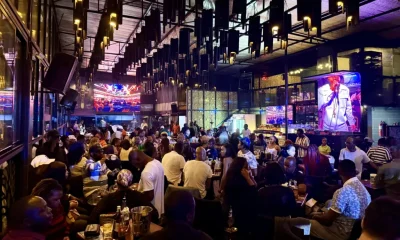
Unahustle, link up with your boys, grab something to eat and/or drink, head to the stadium and watch your team under the floodlights. Nobody is checking the time because they need to rush home before dark. The match becomes the main event, not something you squeeze between Saturday errands.
For Kenyan football fans, that experience is still more of a treat than a regular feature of the local game.
And the latest Gor Mahia–Bandari fixture drama shows just how difficult it can be to make it happen.
The fans spoke. Then came the plot twist.
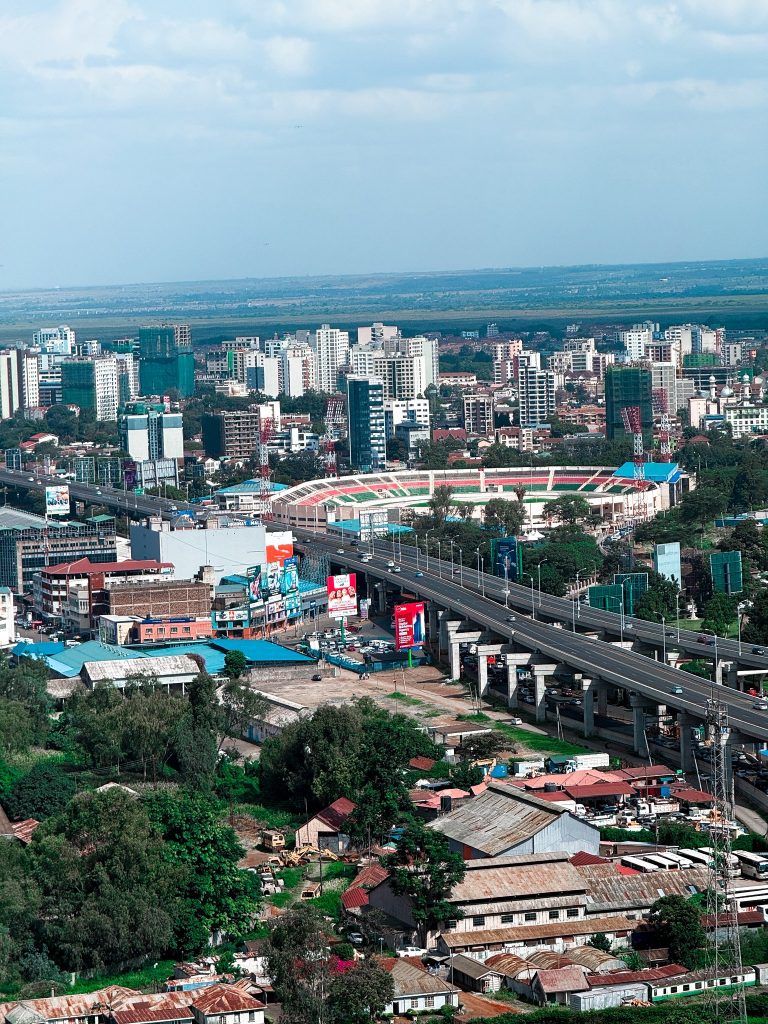
On Monday, October 19, Gor Mahia announced that its Saturday SportPesa League clash against Bandari would kick off at 7pm at Nyayo National Stadium.
The club had asked supporters to vote on their preferred kick-off time. The response was pretty decisive: 7,767 votes for the evening fixture against 998 for the alternative.
Gor said the later kick-off would accommodate fans who work or attend church on Saturdays.
Makes sense. Nairobi is busy, weekends are not always free, and not everybody can abandon their plans to catch a 3pm match.
Then came the plot twist.
On Friday, October 23, Gor Mahia announced that the game would return to its original 4:15pm kick-off. According to the club, Sports Kenya, which manages Nyayo Stadium, declined to approve the night fixture because of a restriction on using the facility for matches scheduled less than 24 hours apart.
The next match at Nyayo is AFC Leopards against Shabana FC on Sunday, October 25, also scheduled for 4:15pm.
So the Saturday night plan was off.
The fans had voted. The club had made the announcement. But the stadium’s scheduling requirements ultimately determined what was possible.
Read the fixture-change report from SportPesa.
This is bigger than Gor Mahia
Let’s be honest: the average football fan is not interested in the administrative back-and-forth between a club and a stadium manager.
They want to know when their team is playing, where to get a ticket and how to make it to the stadium.
If the club announces a 7pm kick-off, supporters may plan their Saturday around that information. Some might arrange transport, organise a meet-up or decide to attend because the evening slot finally works with their schedule.
Changing the time at short notice disrupts those plans.
To be clear, stadium management has legitimate responsibilities. Matches need to be scheduled safely, venues need time to prepare, and fixtures cannot simply be moved whenever a club or its fans prefer.
But that is exactly why coordination matters.
If a stadium cannot accommodate a night match because another fixture is scheduled within 24 hours, shouldn’t that restriction be established before the club announces its kick-off time?
The available reporting explains why the change happened. It does not establish precisely when Sports Kenya communicated the restriction or whether the necessary approval had been secured before Gor announced the 7pm plan.
Those details matter. They would help establish whether this was an unavoidable scheduling conflict or a problem that could have been prevented through better planning.
Either way, fans are left adjusting to a decision they did not make. But they will still turn up
Night football is a vibe. But the vibe is expensive.
Of course, switching on floodlights is not as simple as paying the electricity bill and letting the footballers cook.
Gor Mahia vice-chairperson Sally Bolo has reportedly said the club spends an additional KSh 400,000 to KSh 500,000 to stage a match under floodlights. The extra costs reportedly include hiring four generators, fuel and technicians to operate the lighting equipment.
Bolo also put the Nyayo Stadium hire charge at KSh 80,000, including the Presidential Suite.
That means the reported figures add up to approximately KSh 480,000–580,000 before considering any other match-day expenses. These are figures attributed to the club’s leadership, not independently verified accounts for the Bandari fixture.
Read the report on Gor Mahia’s floodlight costs.
That is serious money for a football club to spend on one match.
And it explains why the conversation cannot end at, “Why don’t they just play at night?”
Someone has to pay for the experience.
If evening fixtures bring more supporters through the gates, generate greater commercial interest and give sponsors a better platform, they could be worth the investment. But clubs need to know whether the additional revenue can cover the extra costs.
A full stadium looks great on television. It is even better when the club can afford to keep putting on the show.
So who should pay for better football?
Bolo has called on the Football Kenya Federation to consider subsidising floodlight expenses for selected matches, arguing that evening football can improve attendance and the overall fan experience.
It is an idea worth discussing.
If the league’s commercial partners benefit from greater visibility and a stronger match-day product, why should individual clubs carry the entire extra cost of creating that experience?
FKF, sponsors, clubs and stadium management could explore a more coordinated approach to scheduling and financing selected evening fixtures.
That does not mean every match must kick off at 7pm. Nor should floodlight costs be subsidised without checking whether the investment makes financial sense.
But the league could identify suitable fixtures in advance, agree on venues and kick-off times, and work out the costs before tickets go on sale.
That would give clubs time to promote the games and give supporters confidence that the advertised schedule will hold.
Because you cannot sell fans an experience that is still being negotiated behind the scenes.
Kenyan football needs to think beyond the 90 minutes
Football is more than the scoreline. The experience around the game matters, too.
For younger supporters and urban fans, a match can be an entire evening out. It is about meeting friends, wearing your colours, sharing the banter and being part of something bigger than yourself.
Night fixtures can help create that atmosphere, particularly for fans whose working hours make afternoon matches difficult to attend.
Kenyan football has supporters who are passionate enough to vote thousands of times for a preferred kick-off slot. That is an audience telling clubs what it wants.
The challenge is turning that interest into a reliable product.
And that means getting the basics right: dependable schedules, accessible tickets, suitable venues, clear communication and a match-day experience worth coming back for.
Gor Mahia’s decision to consult its supporters was a positive move. But listening to fans is only the first step. Clubs also need the stadium arrangements, approvals and financing in place to deliver what they promise.
Otherwise, the announcement becomes the exciting part, and the actual match-day experience becomes an exercise in managing expectations.
The final whistle
The Gor Mahia–Bandari kick-off change might look like a small scheduling dispute. But it raises a bigger question about the direction of the Kenyan Premier League.
Do we want a league where fans simply turn up, watch 90 minutes and go home? Or do we want football that fits into people’s lives, creates a proper match-day atmosphere and gives supporters more reasons to attend?
Those goals require planning, investment and cooperation.
Kenyans have shown they want night football. Now the people running the game need to work out how to deliver it consistently.
Because the fans have already voted. The next move belongs to the people in charge.